
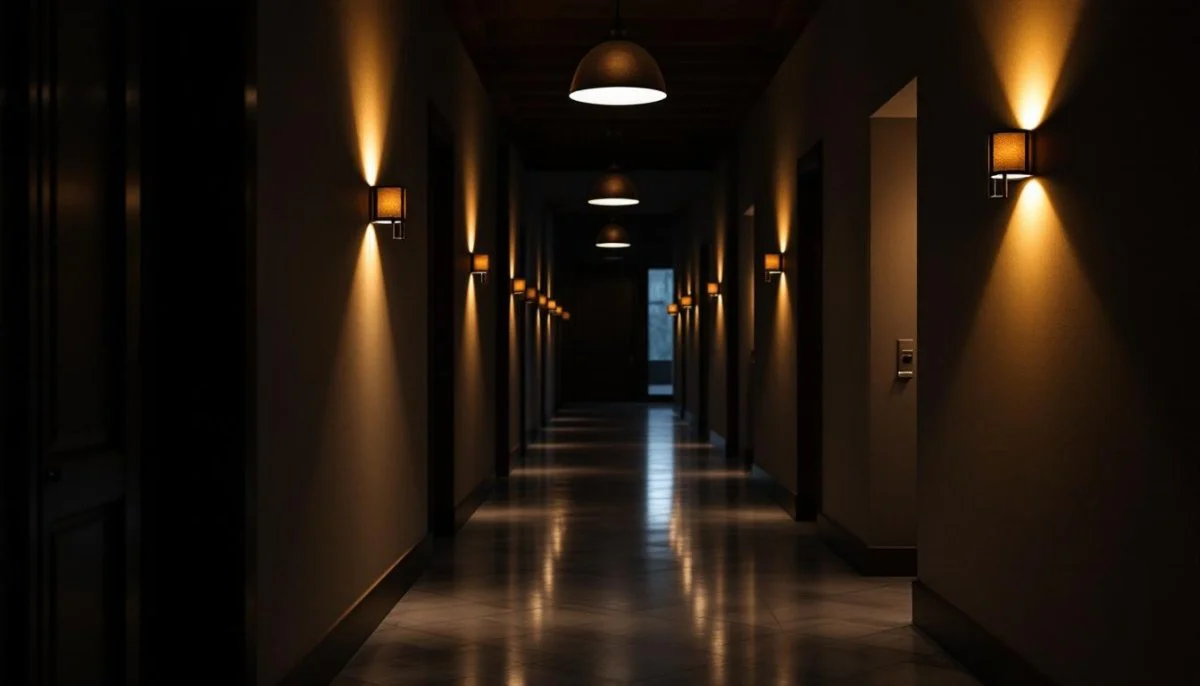
Hallway Lighting Ideas That Eliminate Dark and Gloomy Corridors
A dark hallway can make a good home feel unfinished, even when every room around it looks cared for. The right hallway lighting ideas do more than brighten a path; they change how the whole house feels when you move through it. In many American homes, corridors get treated like leftover space, especially in ranch houses, townhomes, split-level layouts, and older suburban homes with narrow interior passages. That mistake shows fast. Shadows collect near bedroom doors, artwork disappears, and the walk from the living room to the kitchen feels colder than it should. Good lighting fixes that without turning your hallway into an airport runway. It starts with placement, scale, warmth, and a little respect for how people actually use the space. A hallway is not a room you sit in, but it shapes every room you enter. For homeowners thinking through practical upgrades, smart home improvement planning begins with spaces like this because they affect daily comfort without demanding a full remodel.
Start With the Shape of the Hallway Before Choosing Fixtures
A hallway tells you what it needs before you buy a single light. Length, ceiling height, wall color, door placement, and natural light all decide whether your space needs ceiling fixtures, sconces, recessed lights, or a layered mix. The biggest mistake is choosing a fixture because it looked good online, then forcing it into a corridor that needed something else entirely.
Why long corridors need rhythm, not one bright ceiling light
A long hallway with one central ceiling light usually creates two problems at once. The center feels harsh, while both ends still look dim. You get a bright spot in the middle and shadows near the places where people actually enter rooms, open closets, or walk at night.
Better corridor lighting design works in intervals. Instead of asking one fixture to do all the work, repeat smaller light sources every few feet. In a typical U.S. hallway that runs 10 to 16 feet, two flush mounts or a short row of recessed lights often feel more natural than one oversized fixture.
That rhythm matters because your eye reads repeated light as direction. It quietly pulls you forward. In a Cape Cod-style home, for example, a narrow upstairs hall with low ceilings may feel cramped with one bulky dome light. Replace it with three low-profile fixtures, and the ceiling suddenly feels calmer.
Dark hallway lighting should never feel like a spotlight attack. The goal is even guidance. You want enough brightness to see trim, flooring, and door frames without making the space feel exposed.
How ceiling height changes every lighting decision
Low ceilings need restraint. A hallway with an eight-foot ceiling rarely benefits from hanging pendants unless the fixture is slim and placed where nobody walks under it. Flush mounts, semi-flush mounts, recessed lights, and shallow linear fixtures usually make more sense.
Higher ceilings allow more drama, but they still need discipline. A tall entry corridor in a newer American home can handle lantern-style fixtures or small chandeliers, yet scale still matters. A fixture that looks charming over a dining table may feel awkward when repeated down a hallway.
Narrow hallway lights need to respect both headroom and shoulder room. Wall sconces can look beautiful, but deep fixtures may crowd the path. This becomes obvious when someone carries laundry baskets, sports gear, or grocery bags through the space.
A useful rule is simple: the tighter the hallway, the flatter the fixture should feel. That does not mean boring. It means clean profiles, warm bulbs, and details that sit close to the architecture rather than fighting it.
Use Layered Light to Remove Shadows Without Overpowering the Space
Once the shape is clear, the next job is balance. One type of lighting rarely solves every dark corner. A hallway needs ambient light for general visibility, accent light for depth, and sometimes task light near closets, stairs, or entry points. That layered approach is what separates a finished corridor from a patched one.
How ambient lighting gives the hallway its base
Ambient lighting is the base layer. It gives the space enough general brightness so the hallway feels open and safe. Flush mounts, recessed lights, track lighting, and slim ceiling fixtures all serve this role when placed with care.
Many homeowners choose bulbs that are too cool because they think brightness alone solves gloom. It usually does the opposite. Cool white bulbs can make beige walls look flat, gray flooring feel dull, and family photos look cold. Warm white bulbs often work better in residential halls, especially around 2700K to 3000K.
Dark hallway lighting needs warmth as much as wattage. A cozy glow can make a short interior corridor feel connected to the living room rather than cut off from it. This matters in older homes where hallways often have no windows.
The counterintuitive part is that softer light can feel brighter when it spreads well. A warm, evenly spaced lighting plan usually beats one high-output bulb that throws hard shadows against every door frame.
Why accent lighting makes walls feel farther apart
Accent lighting gives a hallway character. It can highlight artwork, wash a textured wall, brighten a console table, or give depth to a plain corridor. Without it, a hallway may be visible but still feel flat.
Hallway wall sconces are one of the easiest ways to add that depth. Place them at a comfortable eye-level height, usually around 60 to 66 inches from the floor, and choose fixtures that send light upward, downward, or both. The wall begins to glow instead of sitting there like a blank surface.
This is where corridor lighting design becomes more than utility. A modest hallway in a Chicago bungalow, for example, can feel longer and more open when sconces wash the walls instead of pushing all the light down from the ceiling. The effect is quiet, but you feel it every time you pass through.
Artwork lights can work too, but they should not feel like a museum display unless the home already has that tone. Family photos, framed prints, and small gallery walls need gentle light. Too much focus makes the hallway look staged rather than lived in.
Choose Fixtures That Match the Home, Not Just the Trend
Lighting trends move fast, but hallways punish bad choices for years. A fixture that looks fresh today can feel noisy in a tight corridor next year. The safest path is not bland design. It is choosing fixtures that fit your home’s bones, your ceiling height, and the way your household moves.
Where flush mounts beat pendants every time
Flush mounts are often underestimated because older versions looked plain or cheap. Modern flush mounts now come in linen shades, brass finishes, matte black frames, glass drums, and simple ceramic shapes. They can be practical without looking like builder-grade leftovers.
In a busy family home, flush mounts also avoid the daily annoyance of low hanging fixtures. Kids toss backpacks, adults carry storage bins, and guests walk through without studying the ceiling. A hallway fixture should not demand attention by getting in the way.
Entryway lighting fixtures may be more decorative because they welcome people at the door. A corridor deeper inside the house needs a quieter hand. That difference matters. The front entry can carry personality, while the hallway should support movement.
Narrow hallway lights with slim profiles give you that support. They light the path, stay visually clean, and let nearby rooms carry the heavier design moments. In many homes, that restraint is what makes the hallway feel more expensive.
How sconces add style without stealing space
Sconces work best when they feel built into the plan, not added as an afterthought. They can frame a mirror, balance a long wall, or bring soft light to a section where ceiling fixtures would look crowded. Their value is strongest in hallways where the ceiling already has vents, attic access panels, or awkward beam lines.
Hallway wall sconces should match the mood of the house. A farmhouse-style home may suit simple metal shades or lantern forms. A midcentury ranch may look better with globe sconces or clean cone shapes. A newer suburban home can handle warm brass, soft black, or shaded fixtures with simple lines.
Scale decides success. A sconce that sticks too far into a narrow corridor becomes a shoulder hazard. A tiny sconce on a tall wall looks timid. Measure the wall width, check the projection, and think about how the fixture looks from both ends of the hallway.
There is no prize for the most decorative light in a corridor. The prize is a hallway that feels intentional every time someone walks through it.
Hallway Lighting Ideas That Work With Color, Flooring, and Decor
Lighting never acts alone. Wall paint, flooring, mirrors, trim, doors, and artwork all shape how bright a hallway feels. A smart lighting plan works with those surfaces instead of trying to overpower them. This is where small design choices can make a dark corridor feel open without adding more fixtures.
How wall color can either save or sabotage your lighting
Paint can help light travel or stop it cold. Deep colors can look rich in a hallway, but they need stronger lighting support. Pale colors reflect more light, yet they can still feel dull if the bulb temperature is wrong or the finish absorbs too much glow.
Soft whites, warm greige, pale taupe, muted sage, and light beige often work well in American homes because they flatter warm bulbs and wood floors. Glossy paint is not always the answer. A satin or eggshell finish usually reflects enough light without turning every wall flaw into a highlight.
Dark hallway lighting becomes easier when the wall color has warmth. Cold gray walls under cool bulbs can make the space feel like a back office. Warm gray or creamy white under warm light feels more residential and forgiving.
Trim color matters too. White or off-white trim around doors can break up a long corridor and help the eye read the space clearly. That little contrast makes the hallway feel less like a tunnel.
Why mirrors and flooring change the way light moves
Mirrors can brighten a hallway, but only when they reflect something worth seeing. A mirror facing a blank dark wall will not perform magic. A mirror across from a sconce, doorway, window, or artwork can bounce light and create a stronger sense of depth.
Flooring also changes the mood. Dark hardwood floors absorb more light, especially in windowless corridors. A runner with a lighter pattern can soften that effect while adding warmth and sound control. This is useful in homes with kids, pets, or long bedroom hallways where footsteps echo.
Entryway lighting fixtures often set the first impression, but the floor carries that impression forward. If the entry has warm tile and the hallway shifts into dark wood, lighting should bridge the change. Similar bulb temperatures and fixture finishes help the transition feel planned.
A hallway does not need to be bright like a kitchen. It needs to feel clear, safe, and connected. When light, paint, mirrors, and flooring work together, the corridor stops feeling like dead space and starts acting like part of the home.
Conclusion
A good hallway does not shout for attention. It quietly makes the home easier to live in. That is why lighting this space well feels so satisfying: the improvement shows up every morning, every late-night walk, and every time guests move from one room to another without noticing the old gloom. The best hallway lighting ideas are not about buying the fanciest fixture. They are about reading the space honestly, placing light where shadows gather, and choosing warmth over glare. A long corridor may need rhythm. A low ceiling may need slim fixtures. A narrow passage may need wall light that adds depth without stealing inches. Start with the darkest stretch, then build from there with one smart change at a time. Replace the harsh center bulb, add a sconce, warm up the color temperature, or brighten the walls. Do the simple thing first, but do it with purpose. Your hallway should feel like it belongs to the home, not like a forgotten shortcut through it.
Frequently Asked Questions
What is the best lighting for a dark hallway?
Warm, evenly spaced lighting usually works best. Use flush mounts, recessed lights, or sconces instead of relying on one bright bulb. The goal is steady visibility from end to end, with enough softness to keep the hallway comfortable rather than harsh.
How many lights should a long hallway have?
Most long hallways need more than one light source. A 10- to 16-foot hallway often feels better with two or three fixtures spaced evenly. Longer corridors may need repeated ceiling lights or sconces to prevent dim ends and shadow pockets.
Are recessed lights good for narrow hallways?
Recessed lights can work well in narrow hallways because they do not take up visual or physical space. They should be spaced carefully and paired with warm bulbs. Too many recessed lights can make the ceiling feel busy, so balance matters.
What color temperature is best for hallway lighting?
A warm white range around 2700K to 3000K usually suits most homes. It keeps the hallway inviting and works well with wood floors, white trim, and neutral paint. Cooler bulbs can feel harsh in windowless corridors.
Can wall sconces make a hallway look bigger?
Wall sconces can make a hallway feel wider by washing light across the walls. That side lighting creates depth and reduces the tunnel effect. Choose shallow fixtures in narrow spaces so the sconces do not crowd the walking path.
What fixtures work best for low hallway ceilings?
Flush mounts, low-profile semi-flush mounts, and recessed lights are usually the best choices. They provide brightness without reducing headroom. Avoid bulky pendants in low halls unless they hang in a spot where people will not walk beneath them.
How do I brighten a hallway without adding wiring?
Use lighter wall paint, mirrors, battery-powered sconces, plug-in picture lights, or a brighter runner. Changing bulbs to a warmer, higher-lumen option can also help. These small updates can improve the space without opening walls.
Should hallway lights match entryway lights?
They should feel related, but they do not need to match exactly. Use similar finishes, shapes, or bulb warmth so the spaces connect. The entry can be more decorative, while hallway fixtures should stay practical and comfortable.